
Our Top Tips
How to Prevent Damp and Mould in a Stored Caravan
23rd Jun 2026
One of the most common questions we’re asked is whether storing a caravan for several months can lead to caravan damp.
Usually, the question comes after somebody has spotted condensation on a window, noticed a slightly musty smell, or heard a horror story from another caravan owner.
The good news is that most damp and mould problems don’t appear overnight. In many cases, they’re caused by small issues that have gone unnoticed for a while.
We regularly see customers popping in to check their caravans before a trip or after a period of storage, and it’s often those simple routine checks that help prevent bigger problems later on.
Whether you’re storing your caravan for a few weeks or several months, these practical steps can help protect your investment.
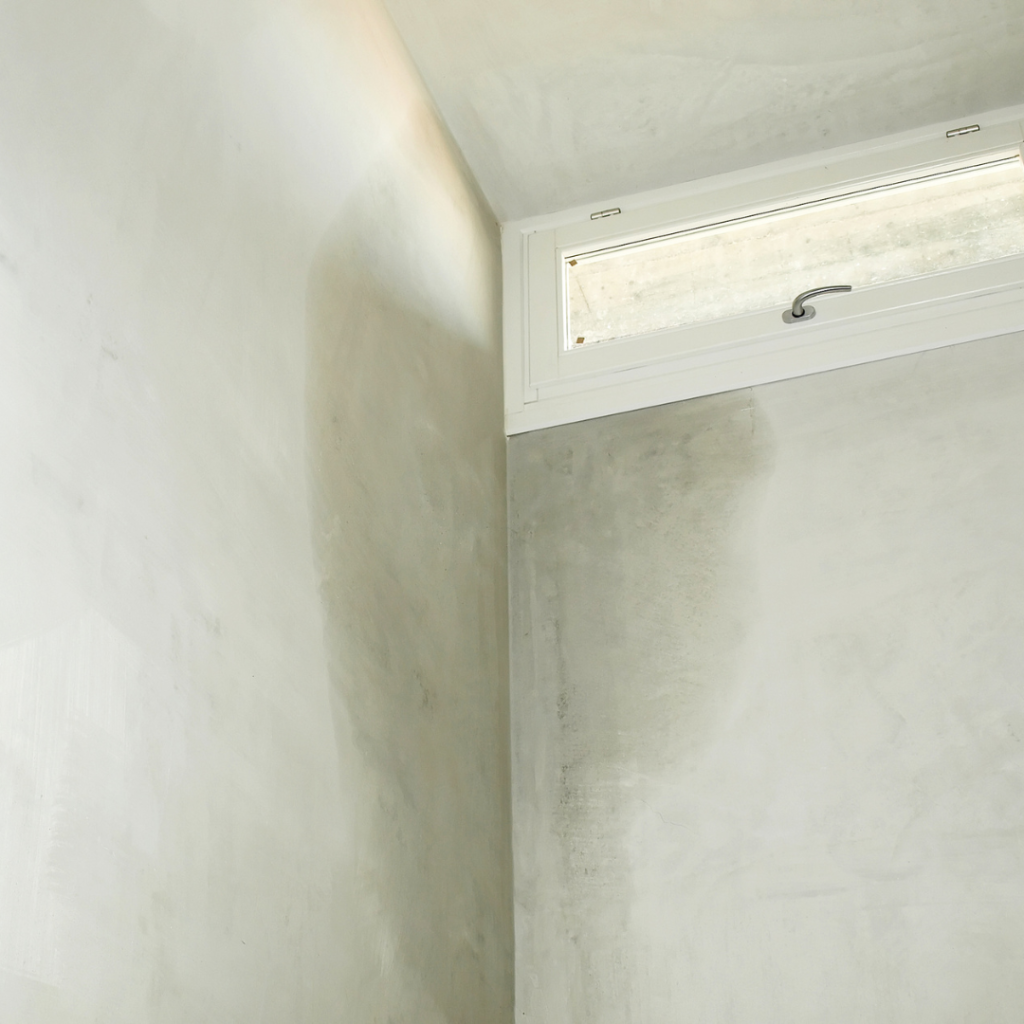
Why Does Damp Develop in your Caravan?
Caravans experience constant changes in temperature and humidity, particularly during the autumn and winter months.
Warm air naturally contains moisture. When that air cools, condensation can form on windows, walls and other surfaces. If moisture cannot escape, it creates the perfect environment for mould growth.
While older caravans can be more susceptible, even modern models can develop issues if they’re not prepared properly before storage.
Start with a Thorough Clean
Before storing your caravan, give it a good clean inside and out.
Pay particular attention to:
- Kitchen areas
- Cupboards and lockers
- Shower and washroom areas
- Soft furnishings
- Window surrounds
Removing dirt, dust and food residue not only helps prevent mould growth but also makes it easier to spot any issues when you return. Check out our caravan cleaning facilities here.
Improve Airflow Throughout the Caravan
One of the simplest ways to reduce the risk of caravan damp is to encourage air circulation.
Many experienced owners choose to:
- Leave wardrobe doors slightly open
- Open internal cupboard doors
- Lift seat cushions where possible
- Avoid blocking fixed ventilation points
Allowing air to move freely around the interior can help reduce condensation build-up during storage.
Remove Soft Furnishings Where Practical
We often hear conflicting advice about removing cushions, bedding and soft furnishings before storage.
In reality, every owner has their own routine. Some remove almost everything, while others leave the caravan largely set up and ready to use.
If you’re storing for several months, particularly through winter, taking home anything that can easily absorb moisture is generally sensible.
This may include:
- Bedding
- Blankets
- Towels
- Clothing
Taking these items home can help reduce the chance of damp smells developing and gives you one less thing to worry about when you return.
Check for Existing Signs of Caravan Damp
Before locking up your caravan, spend a few minutes checking for any signs of existing problems.
Look for:
- Discoloured wall coverings
- Soft spots around windows
- Peeling wallpaper
- Black mould marks
- Musty odours
Identifying a small issue early is usually far easier and less costly than repairing extensive damage later.
Keep Seals and Rooflights in Good Condition
Water ingress remains one of the biggest causes of caravan damp.
Regularly inspect:
- Window seals
- Rooflights
- Door seals
- External lockers
- Service hatches
If you notice cracks, gaps or signs of deterioration, it’s worth arranging repairs before the issue worsens.
Visit Your Caravan Periodically
Many owners find reassurance in checking on their caravan occasionally throughout the year.
A quick visit allows you to:
- Open doors and windows where appropriate
- Check for signs of moisture
- Inspect seals and fittings
- Ensure everything remains in good condition
Having easy access to your caravan can make these routine checks much more convenient.
Don’t Forget About the Storage Environment
Most caravan owners spend plenty of time preparing their caravan for storage but don’t always think about where it’s being stored.
A well-maintained hardstanding storage park can make routine checks easier, particularly during the wetter months when visiting a caravan stored at home isn’t always practical.
One thing we hear regularly from customers is that being able to access their caravan easily encourages them to carry out those quick inspections that often catch minor issues before they become major ones.
Don’t Ignore the Warning Signs
Interestingly, visible mould isn’t usually the first sign of a caravan damp problem.
More often, owners notice a slightly stale smell when they open the door, or find condensation on windows that wasn’t there previously.
Those early warning signs are worth paying attention to so if you notice condensation, musty smells or visible mould, it’s important to investigate promptly.
Damp rarely improves on its own and can quickly become more serious if left untreated.
A Little Prevention Goes a Long Way
Fortunately, caravan damp isn’t an inevitable part of caravan ownership.
A clean, well-ventilated caravan that’s checked regularly is far less likely to develop problems than one that’s simply locked up and forgotten about.
Most owners already know the basics. The challenge is usually remembering to do them consistently.
A quick check every now and then might not seem particularly exciting, but it could save a lot of expense and frustration when you’re planning your next trip away.
Quick Enquiry
Follow us on Facebook for more tips!